Stay tuned for news on our new store opening, and check out our social media channels for updates!

CONCUSSION TREATMENT
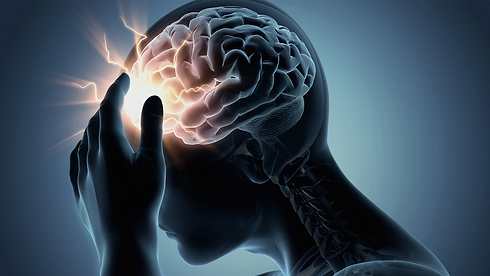
A concussion is a type of traumatic brain injury (TBI) that results from any disruption in healthy brain functioning due to a bump, blow, blast, or other injury to the head. While many people associate concussions with blacking out or losing consciousness, it’s important to recognize that you do not need to lose consciousness or even be formally diagnosed with a concussion to experience lasting cognitive, psychological, or behavioral issues.
Each year in the United States, there are approximately 1.7 million emergency room visits for traumatic brain injury. Among U.S. veterans, an estimated 300,000 have sustained TBIs during military conflicts. In addition to these numbers, hundreds of thousands of incidents involving head trauma go unreported, including those that result in undiagnosed concussions. This means a significant number of brain injuries are never treated, especially those that do not result in a loss of consciousness and often go unnoticed.
immediate treatment
Prompt intervention after a head injury can make a significant difference in recovery outcomes. Immediate treatment is ideally administered within 1-3 hours after injury, but should not be delayed beyond 24 hours. Early treatment aims to reduce the effects of TBI and support the brain’s healing process.

long term treatment
& rehabilitation
For those experiencing ongoing symptoms after a TBI or concussion, a comprehensive approach to long-term care is essential.
Treatment options that we have at FFHC include:
-
Brain Mapping: Advanced technology that assesses brain activity to guide personalized interventions.
-
Hyperbaric Oxygen Chamber Sessions: Increasing oxygen supply to aid brain tissue recovery.
-
IV Therapy: Delivering essential nutrients and medications intravenously to support recovery.
-
Peptides and Supplements: Supporting brain health and recovery with targeted compounds and nutrients.
-
Cortisol Restoration: Addressing sleep disturbances and promoting rest by balancing cortisol levels.
-
Metal Detoxification: Removing heavy metals that may adversely affect neurological health.
-
Emotional and Psychological Support: Counseling and therapy to address mental health challenges stemming from TBI.